Download Centrifugal Compressors: Surge, Dry Gas Seals & API 617
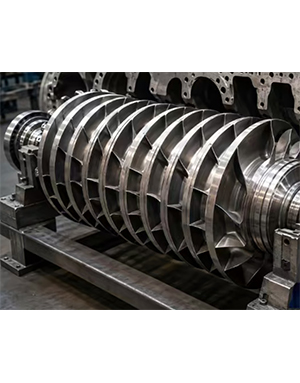
Learn centrifugal compressor performance, surge and anti-surge control, dry gas seals, bearings, rotordynamics, API 617 requirements, testing, troubleshooting, and machinery protection in this comprehensive engineering course. Centrifugal compressors are among the most critical and expensive machines in process plants, refineries, petrochemical facilities, gas processing plants, and other industrial applications.
When a compressor trips, the consequences can extend far beyond the machine itself. Understanding how the compressor operates, how its performance changes, and how its protection systems respond is therefore essential for engineers responsible for specification, operation, commissioning, reliability, and maintenance.
This course provides a practical and structured approach to centrifugal compressor engineering, starting with compression principles and compressor construction and progressing through performance maps, surge, anti-surge control, dry gas seals, bearings, auxiliary systems, rotordynamics, machinery protection, API 617, testing, and troubleshooting.
What You Will Learn
By completing this centrifugal compressor course, you will learn how to:
- Interpret compressor performance maps and identify speed curves, efficiency regions, operating limits, surge, and stonewall conditions.
- Recognize and evaluate compressor surge, including its physical behavior, early warning signs, and the effectiveness of the installed protection strategy.
- Understand dry gas seal systems and evaluate their gas supply, conditioning, operating requirements, and potential failure consequences.
- Troubleshoot centrifugal compressor problems systematically, using performance data, vibration behavior, operating trends, and component condition.
- Evaluate compression duty and power requirements and understand how changes in molecular weight influence compressor operation and performance.
- Choose appropriate capacity-control strategies by comparing variable speed, suction throttling, inlet guide vanes, and recycle control for efficiency and operating range.
- Develop and evaluate anti-surge control strategies, including recycle valve sizing, controller response, surge margin, and transient behavior.
- Apply machinery protection concepts covering vibration and axial-position monitoring, alarm and trip settings, voting logic, and functional testing.
- Interpret practical rotordynamic results, including critical speeds, separation margins, stability, and their implications for compressor reliability.
- Prepare for and evaluate compressor testing, including mechanical running, performance, full-load full-pressure, and string tests, and understand how test results support final acceptance.
Course content
- Compression Principles & Construction
- Compression in Process Plant
- Centrifugal Compressor Principles
- Compressor Configurations
- Compressor Components
- The Performance Map, Surge & Stonewall
- The Compressor Performance Map
- Surge — Mechanism & Consequence
- Stonewall, Choke & Speed Limits
- Performance Deterioration
- Seals, Bearings &Auxiliary Systems
- Dry Gas Seals
- Bearings & Rotor Support
- Lubrication & Seal Gas Systems
- Drivers & Couplings
- Capacity Control, Anti-Surge & Protection
- Capacity Control Methods
- Anti-Surge Control
- Machinery Protection Systems
- Process Interactions & Upset Handling
- API 617, Rotordynamics, Testing & Troubleshooting
- API 617 Requirements
- Rotordynamics at a Practical Level
- Testing & Acceptance
- Overhaul, Reliability & Troubleshooting
Who Is This Course For?
This course is designed for professionals and engineers working with centrifugal compressors and rotating equipment, including:
- Rotating equipment and machinery engineers responsible for compressor specification, selection, performance, and reliability
- Process engineers operating compressors and developing control and turndown strategies
- Control and instrumentation engineers working with anti-surge control and machinery protection systems
- Reliability and maintenance engineers dealing with seals, bearings, vibration, overhauls, and compressor failures
- Project and commissioning engineers involved in compressor procurement, installation, commissioning, and testing
- Graduate and junior engineers entering rotating equipment and turbomachinery roles
- Engineers who need a practical understanding of API 617 centrifugal compressor requirements
Course details
- Video quality: MP4 | Video: h264, 1280 × 720
- Audio quality: Audio: AAC, 44.1 KHz, 2 Ch
- Last updated 08/2026
- Video duration: 3h 56m
- Number of lessons: 5 sections, 20 lectures
- Language: Language: English
- Compressed file size: 2.3 GB