
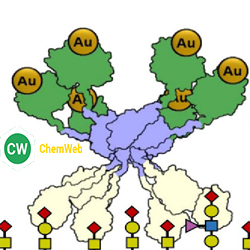
Anticancer prodrugs represent a promising strategy in modern medicine because they offer a way to improve therapeutic accuracy while limiting harmful side effects. Unlike conventional chemotherapy drugs that are active immediately after administration and can damage healthy cells, prodrugs are designed to remain inactive until they encounter specific biological triggers. Once activated at the desired location, they release their active therapeutic molecules and selectively target diseased tissues.
Despite their potential, developing reliable activation methods that function precisely inside the complex environment of the human body remains a major scientific challenge. Many existing approaches are limited by slow activation rates, poor selectivity, or difficulties in operating under physiological conditions. These limitations have created a strong demand for new chemical technologies capable of controlling drug activity with greater precision.
A research group led by Kenward Vong, Assistant Professor in the Department of Chemistry at the Hong Kong University of Science and Technology (HKUST), has introduced a novel gold-catalyzed reaction that functions effectively in biological environments. The study, published in the Journal of the American Chemical Society under the title “Bioorthogonal Gold-Catalyzed Hydrothiolation Leading to Amide Bond Cleavage of Ethynylated Biarylbutanamide Precursors,” presents a new approach for designing next-generation therapeutic systems.
A New Bioorthogonal Chemistry Platform
The researchers identified a distinctive chemical structure called the ethynylated biarylbutanamide (EBB) group, which can serve as a versatile component for biological applications, particularly in the development of anticancer prodrugs. This discovery expands the possibilities of bioorthogonal chemistry, a field focused on creating chemical reactions that can take place inside living organisms without disturbing normal cellular processes.
Although numerous metal-catalyzed reactions have been developed over the years, only a small number are suitable for biological environments. Bioorthogonal reactions have become increasingly valuable in chemical biology, biotechnology, and biomedical research because they allow scientists to manipulate biological systems with high precision. Expanding the range of these reactions is considered essential for future advances in targeted therapies and molecular medicine.
Rapid Amide Bond Activation for Cancer Therapy
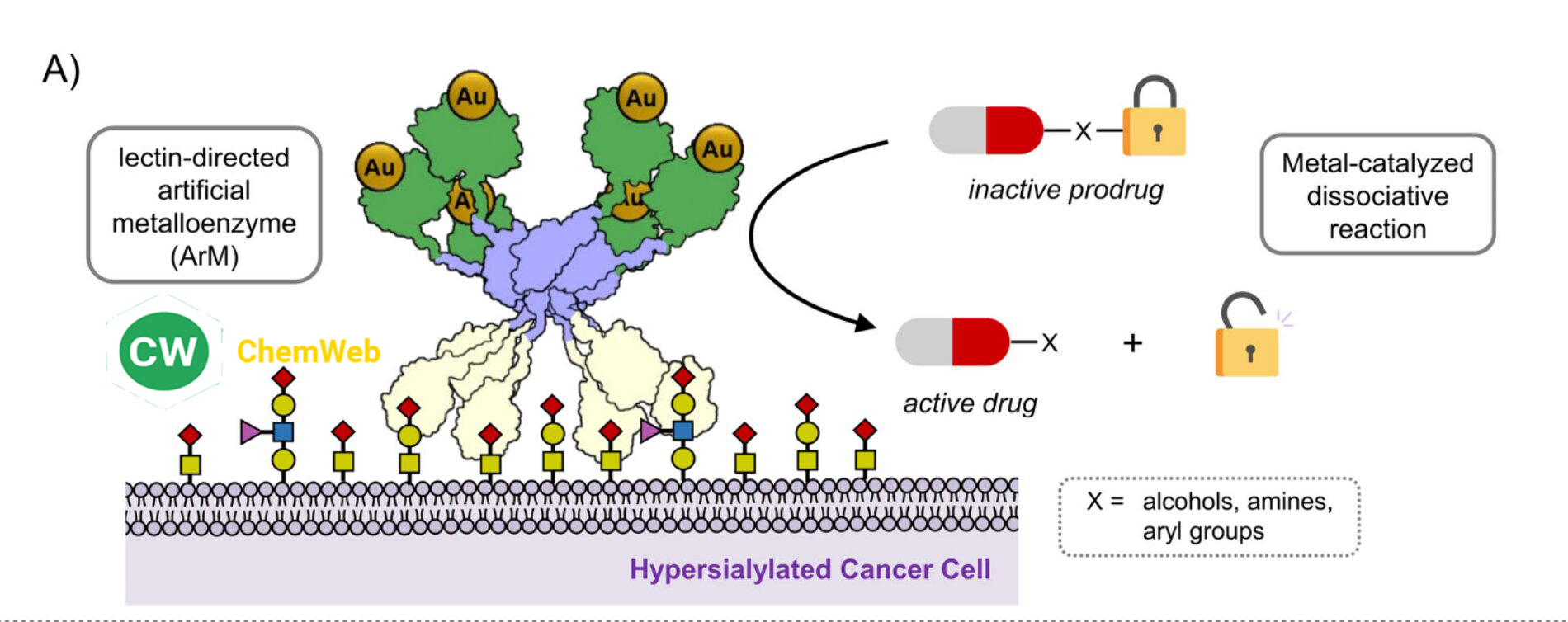
One of the most significant achievements of the study is the ability of the EBB group to enable fast cleavage of amide bonds when activated by gold catalysts under biologically compatible conditions. Amide bonds are among the most common and stable chemical structures in biological molecules, making their controlled modification a challenging task.
The researchers demonstrated that EBB-based chemistry occurs significantly faster than previously reported bioorthogonal amide-cleavage methods. To highlight its medical potential, they developed an EBB-containing anticancer prodrug capable of selective activation within aggressive breast cancer cells. This result suggests that the technology could provide a powerful strategy for improving cancer treatment by delivering therapeutic effects more specifically to tumor cells while reducing unwanted toxicity.
The Expanding Role of Chemistry in Medicine
According to Kenward Vong, the ability to explore and control biological systems represents one of the major goals of chemical biology and biotechnology. He emphasized that current discoveries represent only the beginning, with many unexplored opportunities remaining in the development of chemical tools for biological applications.
The researchers believe that chemistry will continue to play a central role in future biomedical innovations. By creating new bioorthogonal reactions and adapting them for diverse biological uses, scientists hope to develop more precise treatments, advanced drug-delivery systems, and improved therapeutic approaches for complex diseases such as cancer.